


GREEN PAKISTAN PROJECT

Factory Sustainability Journey

TEXYM
Sustainability Journey
Complete breakdown of verification stages
Project Onboarding & Commitment
Factory formally joins the Green Pakistan Project by submitting its application and confirms its willingness to participate and follow the structured sustainability improvement process in alignement with EU Green Deal, LkSG, and international due diligence principles.
Attachments
Baseline & Declaration Submission
The factory submits its Baseline & Declaration to present a clear picture of the current labour, environmental, and health & safety practices. This assessment captures key operational information, legal compliance, and existing management systems for the Green Pakistan Project Panel to evaluate present conditions and identify priority areas for improvement. By submitting the declaration, the factory confirms the accuracy of the information and shows its commitment to responsible and transparent operations.
Attachments
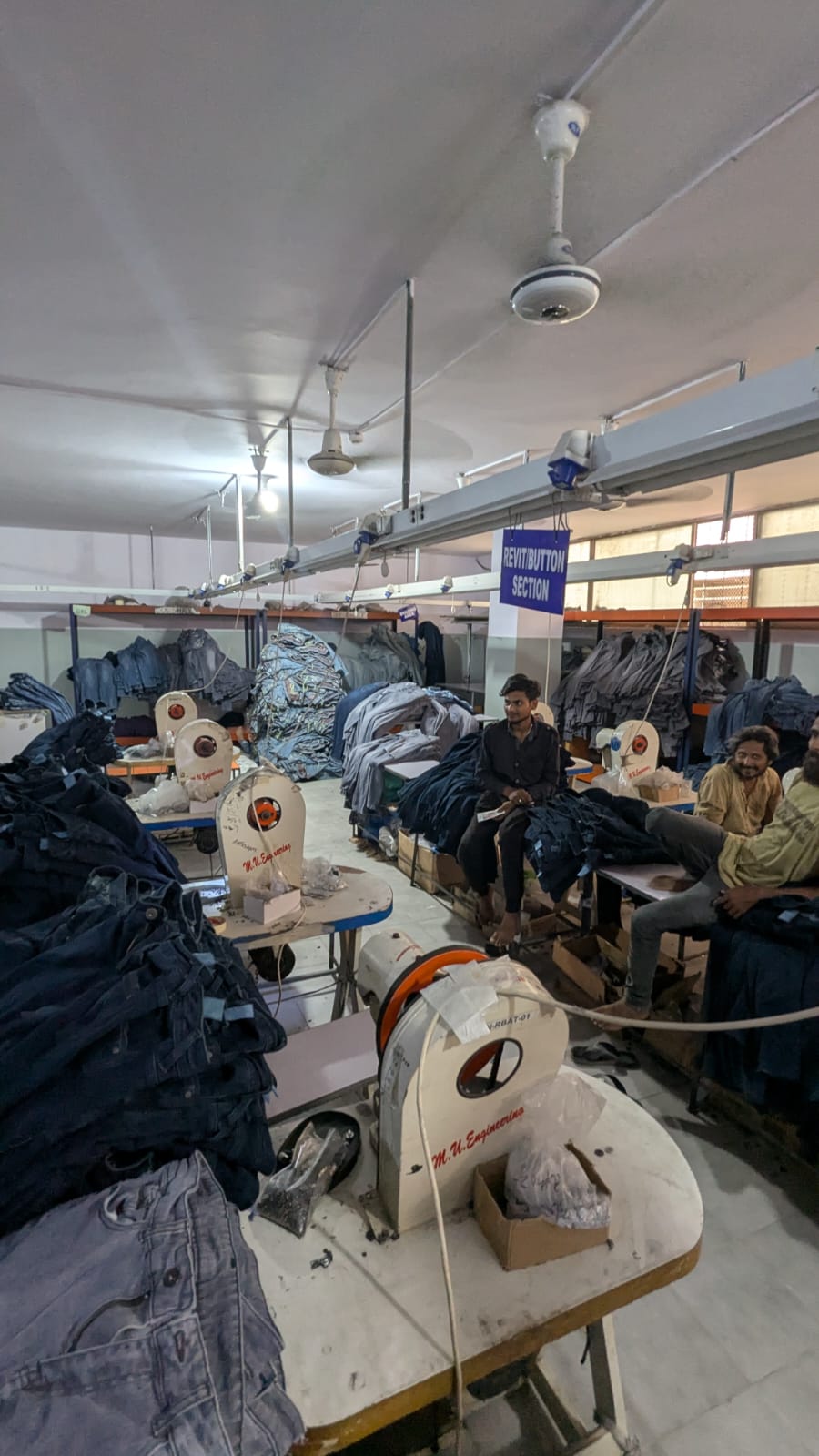
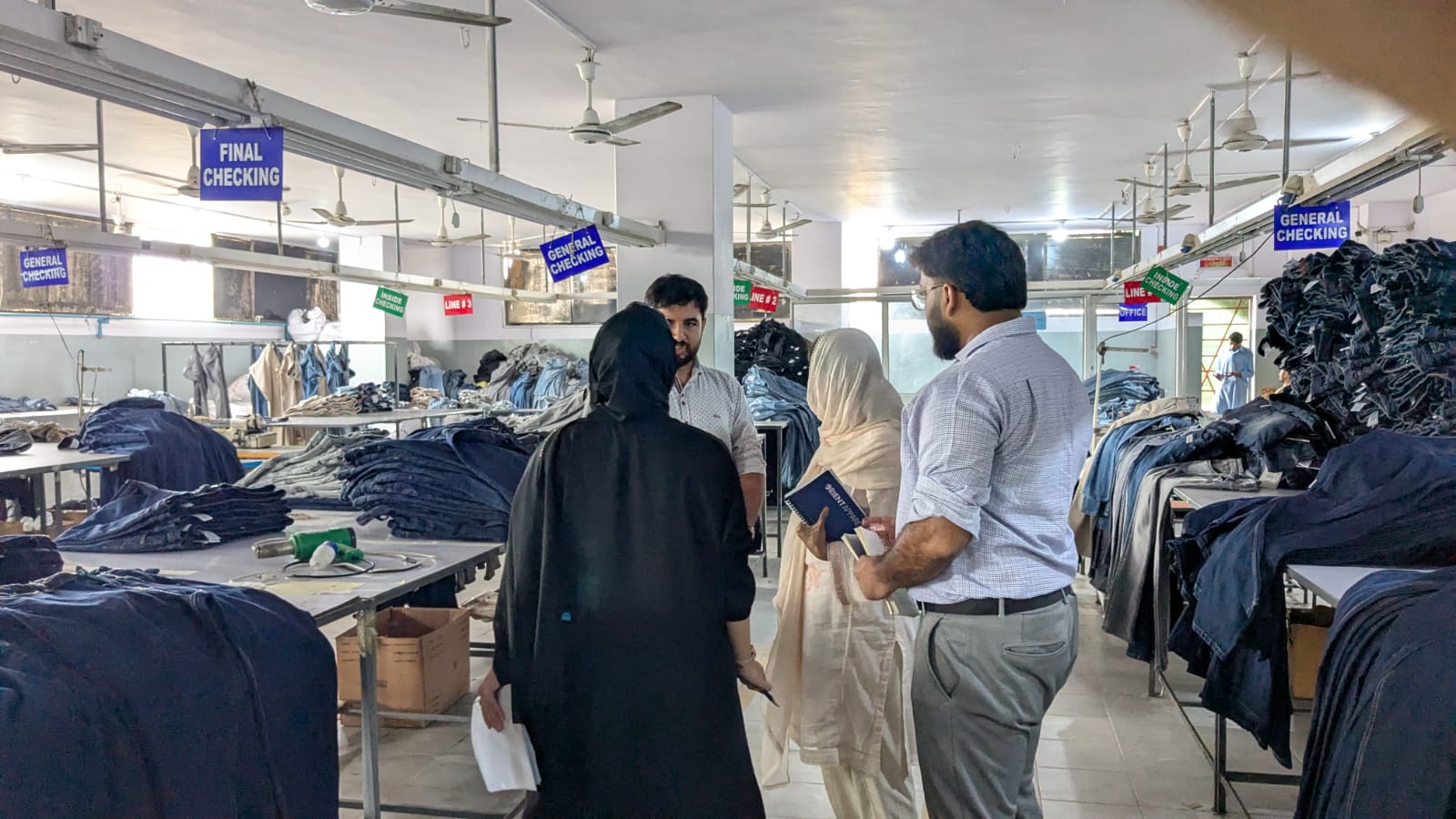
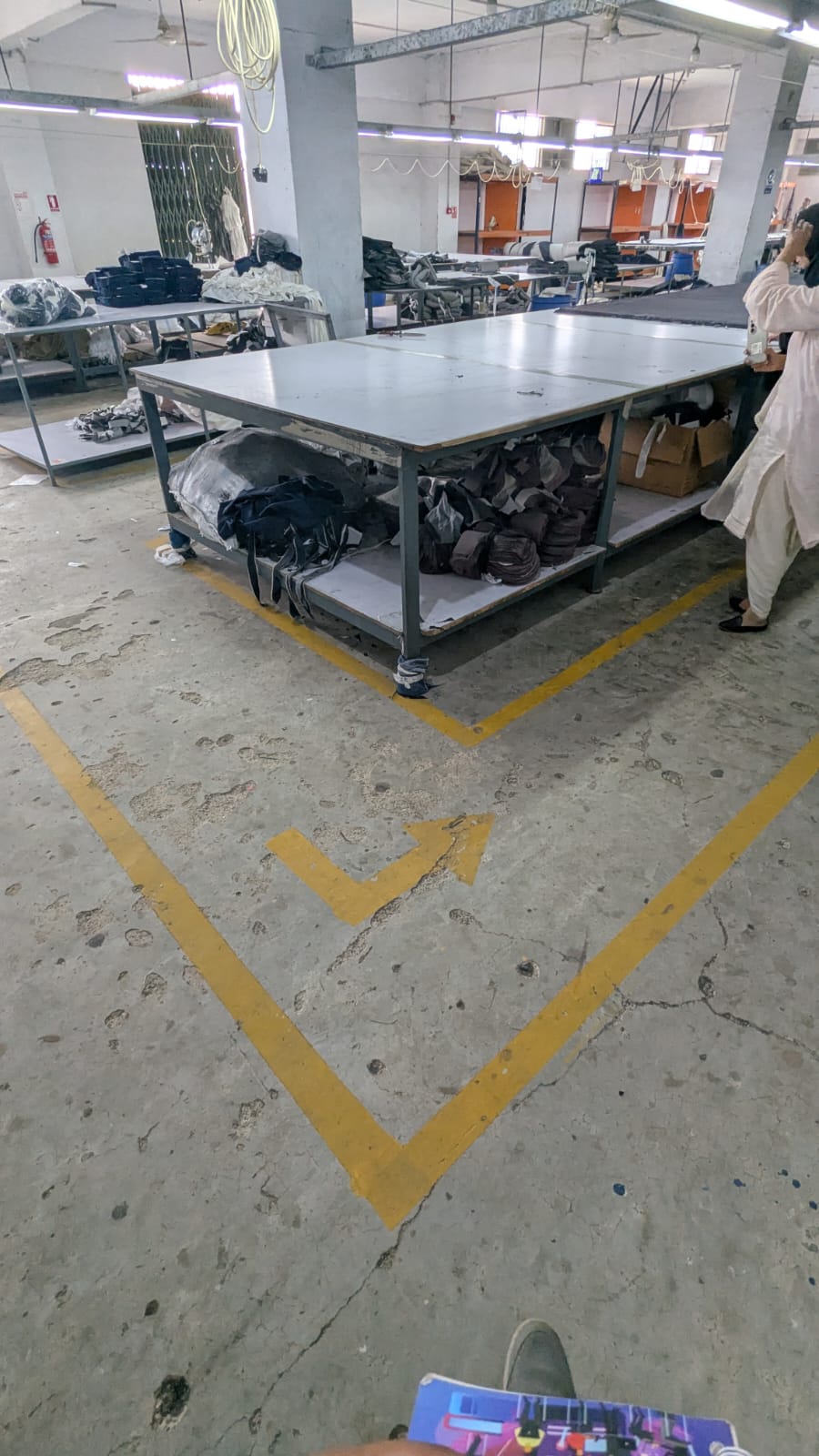
On-Site Verification & Advisory Visit
A formal visit is conducted by Green Pakistan Advisory panel along with the association team to validate the baseline information submitted. During this visit, actual factory practices are reviewed, gaps are identified, and the team provides practical guidance on how to meet international sustainability expectations.
Attachments
First Sustainability Report (Draft) Submission
After completing data entry on the Umbertine platform, the factory prepares its first Sustainability Report (Draft). This draft report was shared with the Green Pakistan Advisory Panel for a detailed review. The objective of this review was to obtain expert feedback, validate the reported data and receive guidance for strengthening the report in line with international sustainability and due-diligence expectations.
Attachments
Digital Data Entry on Umbertine Platform
The data including workforce details, safety conditions, environmental metrics, and production information is entered into the Umbertine software which works on SocialFair 2030 Approach. This helps to evaluate the standardized KPIs and forms the analytical basis for the factory’s Sustainability Report.
Attachments
Revised Sustainability Report (Draft) Submission after Technical Feedback
After receiving structured feedback from Green Pakistan Project Panel, the factory incorporates the feedback and submits the revised version. This step ensures accuracy, completeness, alignment with international frameworks and readiness for final verification.
Attachments
Technical Data Review & Feedback Integration
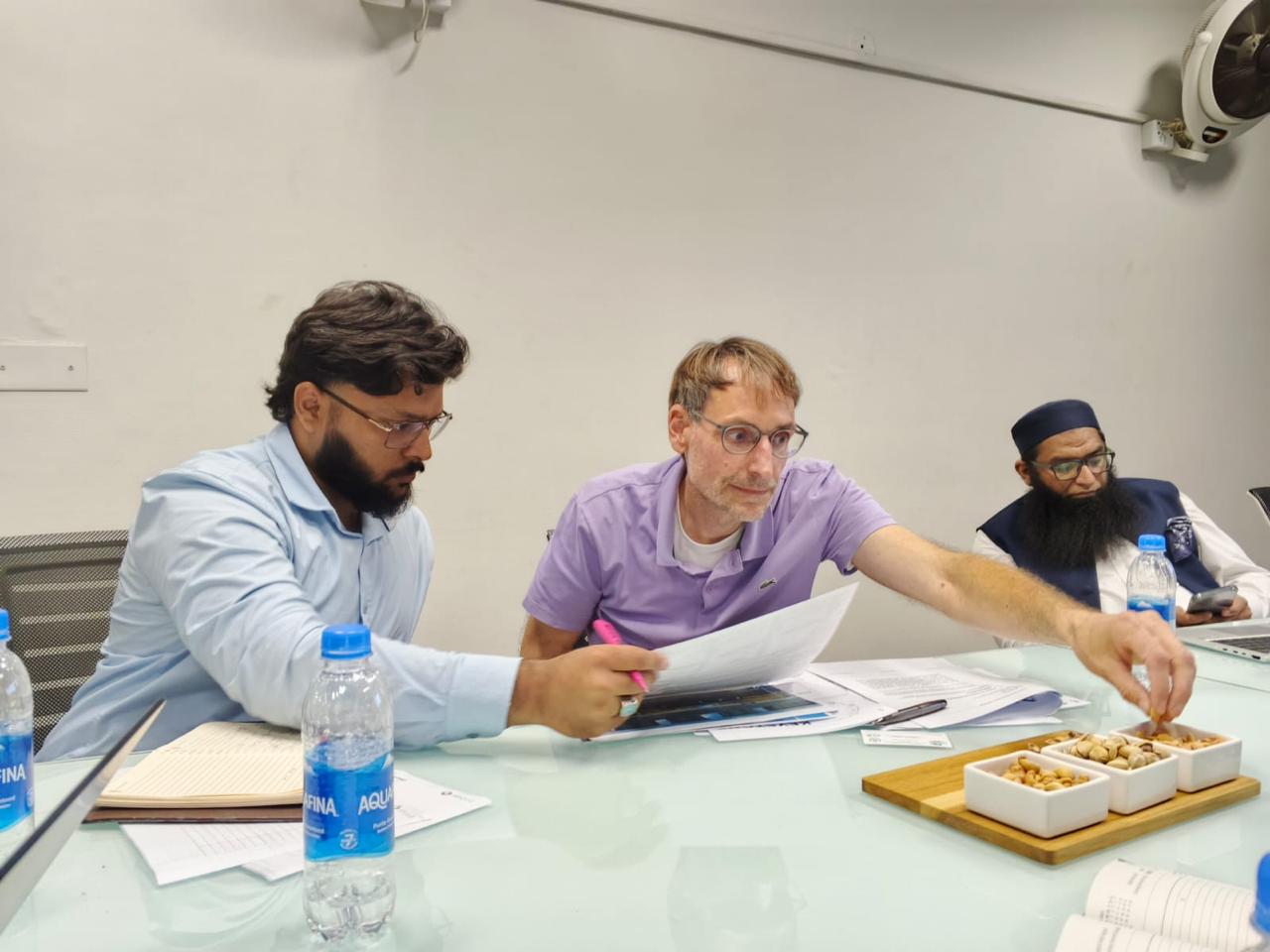
After the factory completed its initial data entry in the Umbertine platform, technical experts from German Importers Association, Fruit of Sustainability and the association team reviewed the submitted information. They identified gaps, inconsistencies, and areas requiring clarification, and provided precise feedback for correction. Based on this guidance, the factory’s data submission in Umbertine was reopened to allow revisions. The factory updated its entries accordingly to ensure accuracy and alignment before proceeding to the next stage.
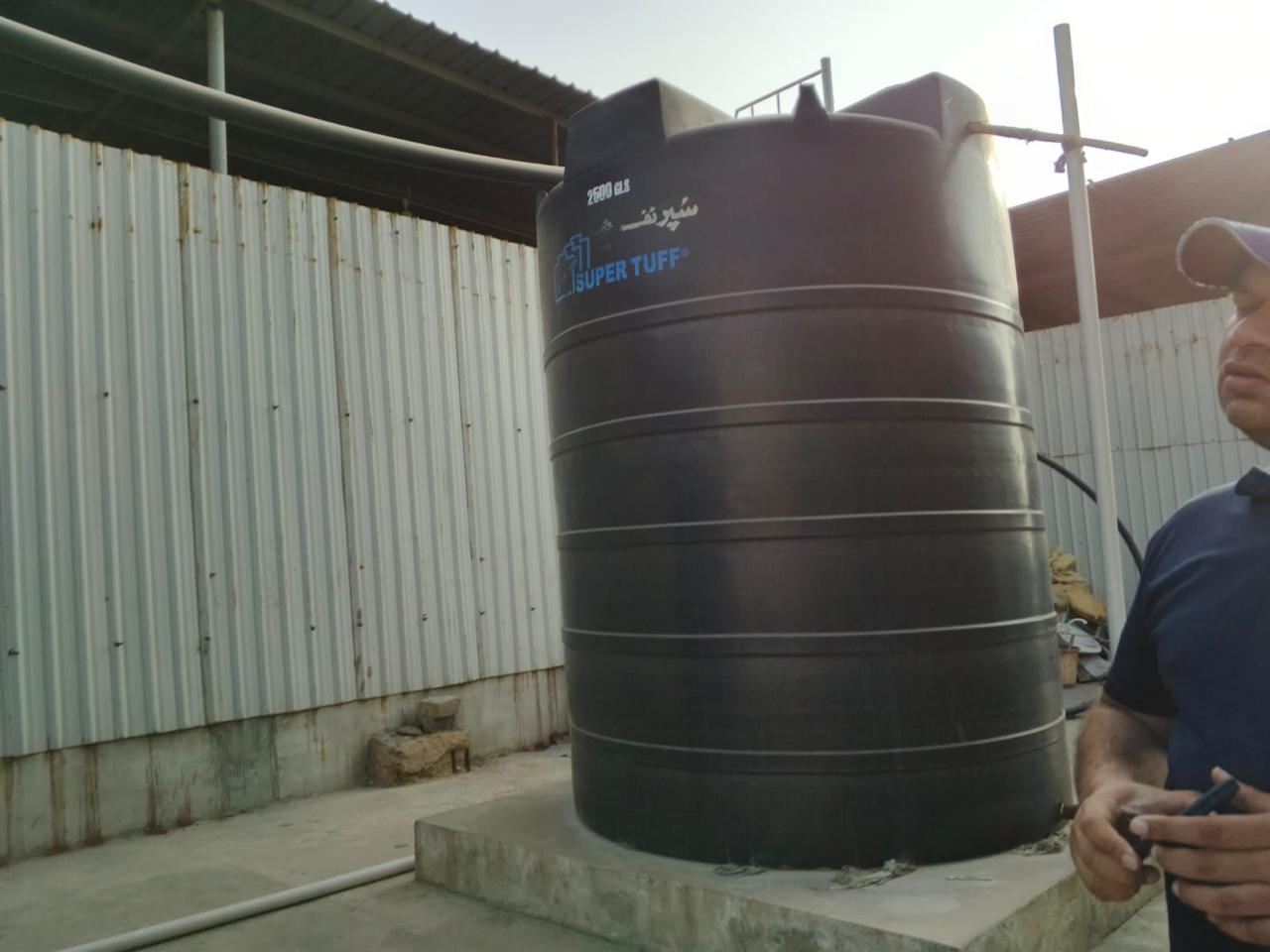
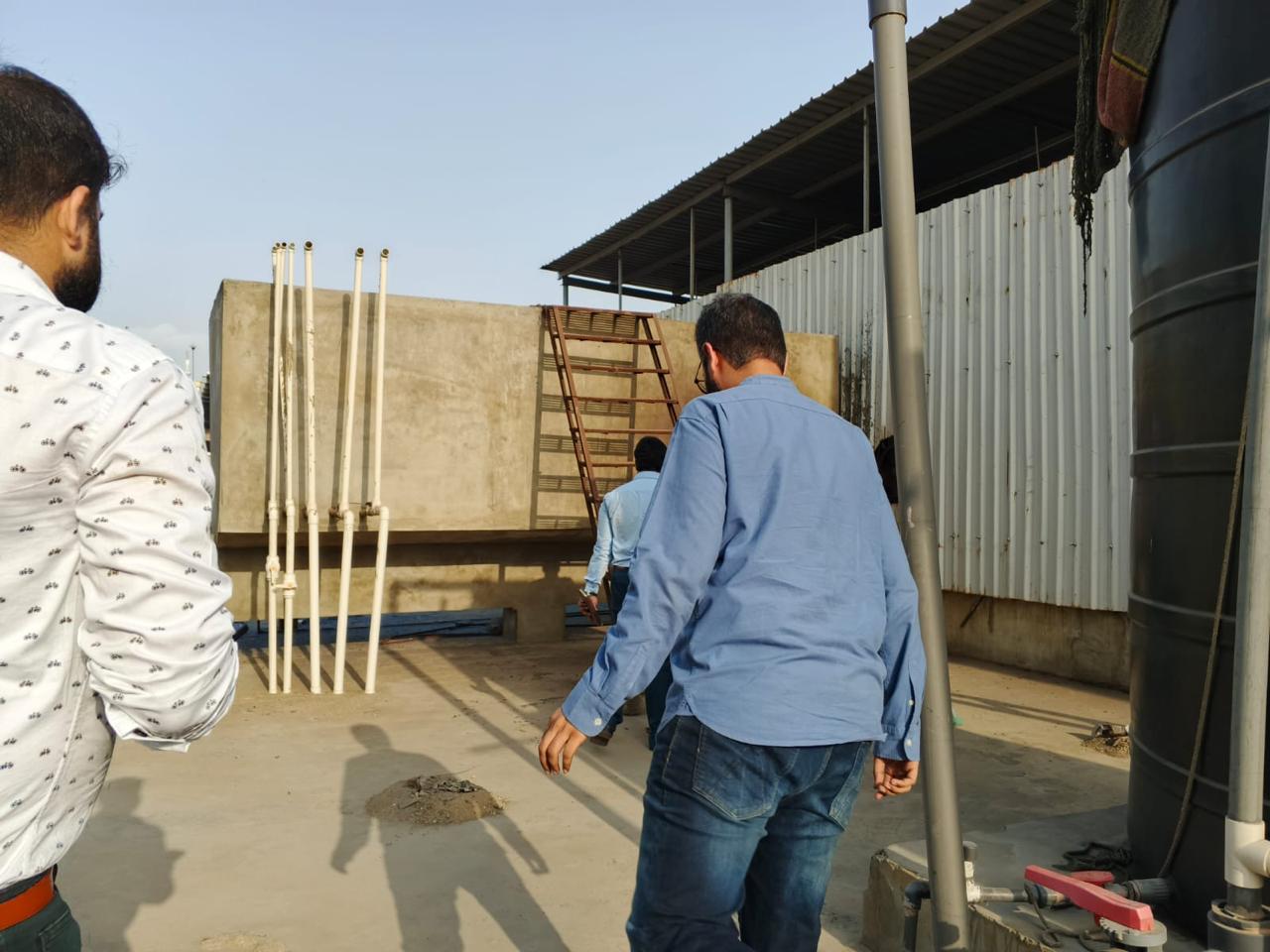
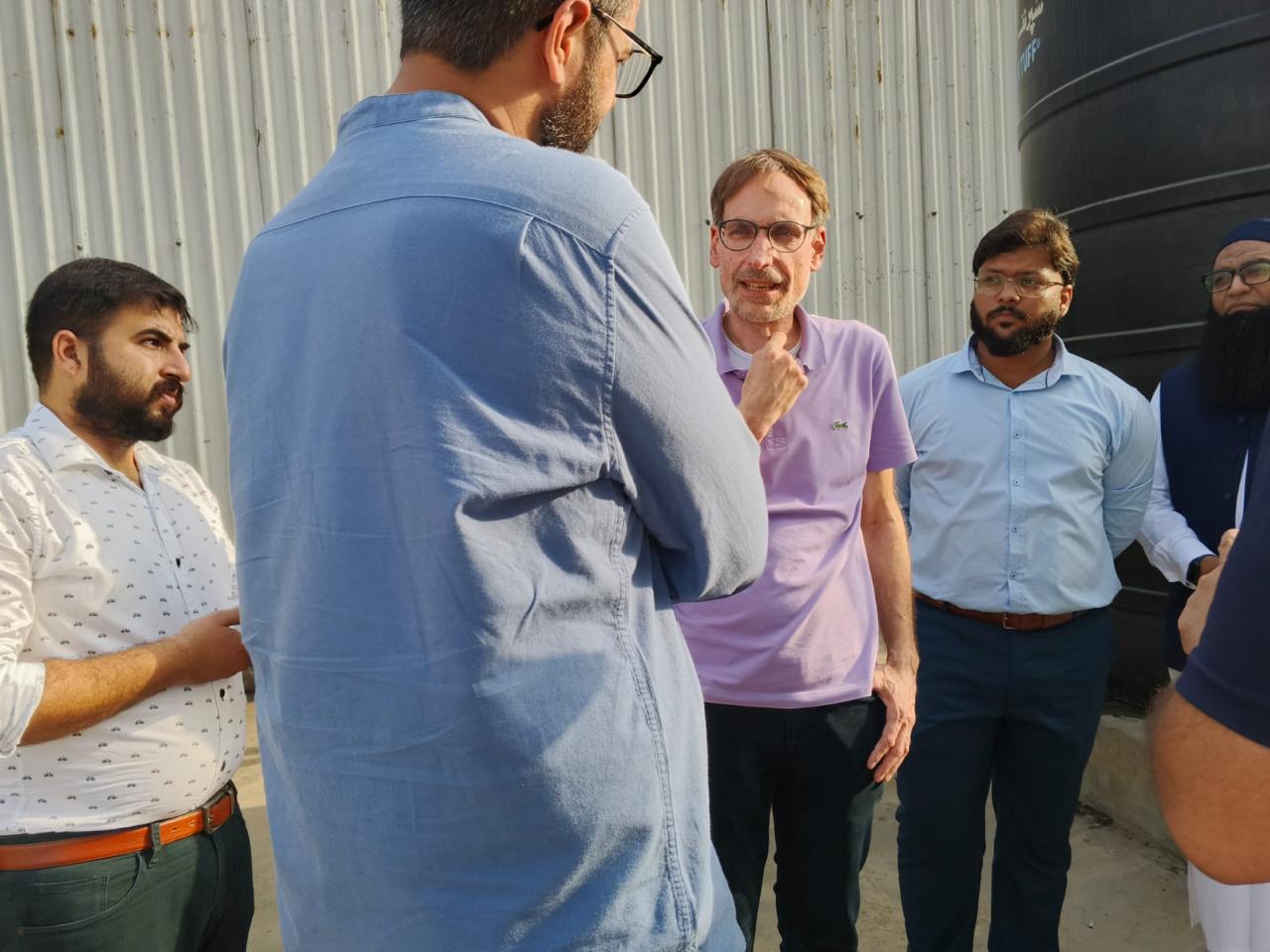
Assessment of Water Use, Treatment, and Recycling Practices
The Green Pakistan Advisory Panel along with Dr. Achim, conducted a comprehensive site visit to evaluate unit-level water management at the factory covering abstraction, distribution, consumption, treatment and disposal stages. The assessment also reviewed existing and potential recycling and reuse practices, monitoring systems and treatment technologies. Following the visit, Dr. Achim shared a detailed set of technical recommendations focusing on water usage efficiency, scaling up recycling and the adoption of advanced water-saving technologies.
Attachments
Revised Sustainability Report (Draft) Submission after Technical Feedback
After receiving structured feedback from Green Pakistan Project Panel, the factory incorporates the feedback and submits the revised version. This step ensures accuracy, completeness, alignment with international frameworks and readiness for final verification.
Attachments
Deployment of FOS Digital Grievance Management System
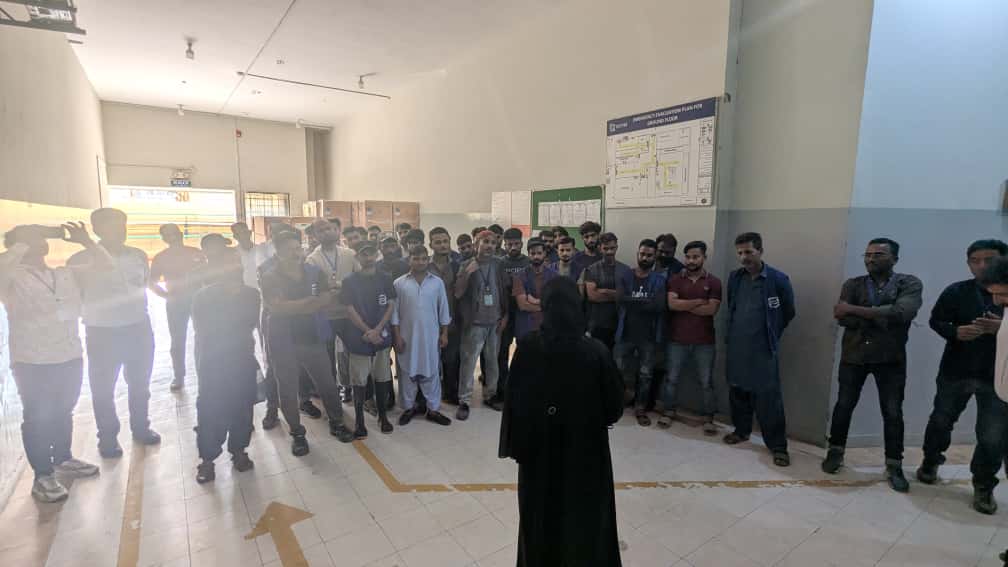
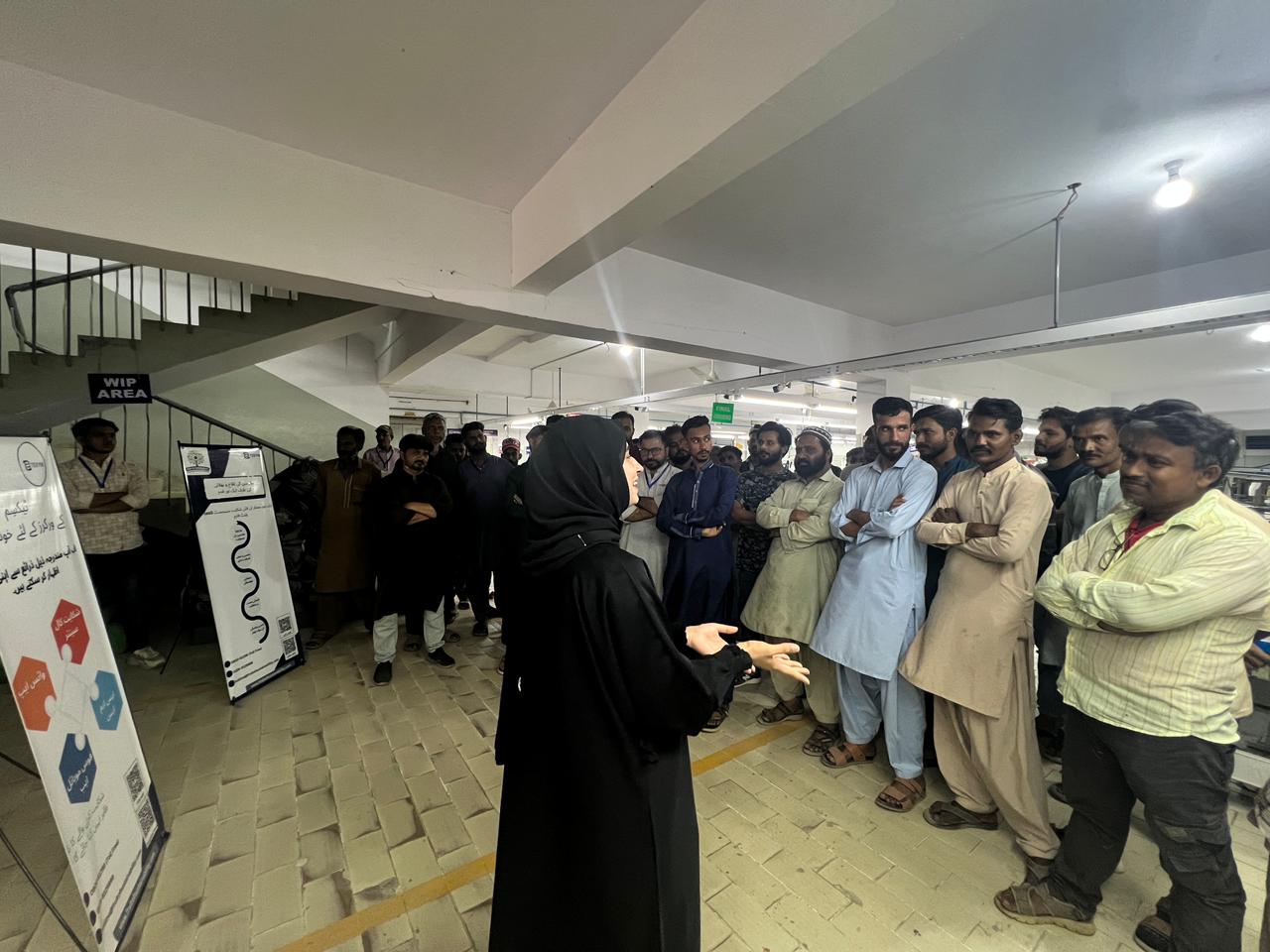
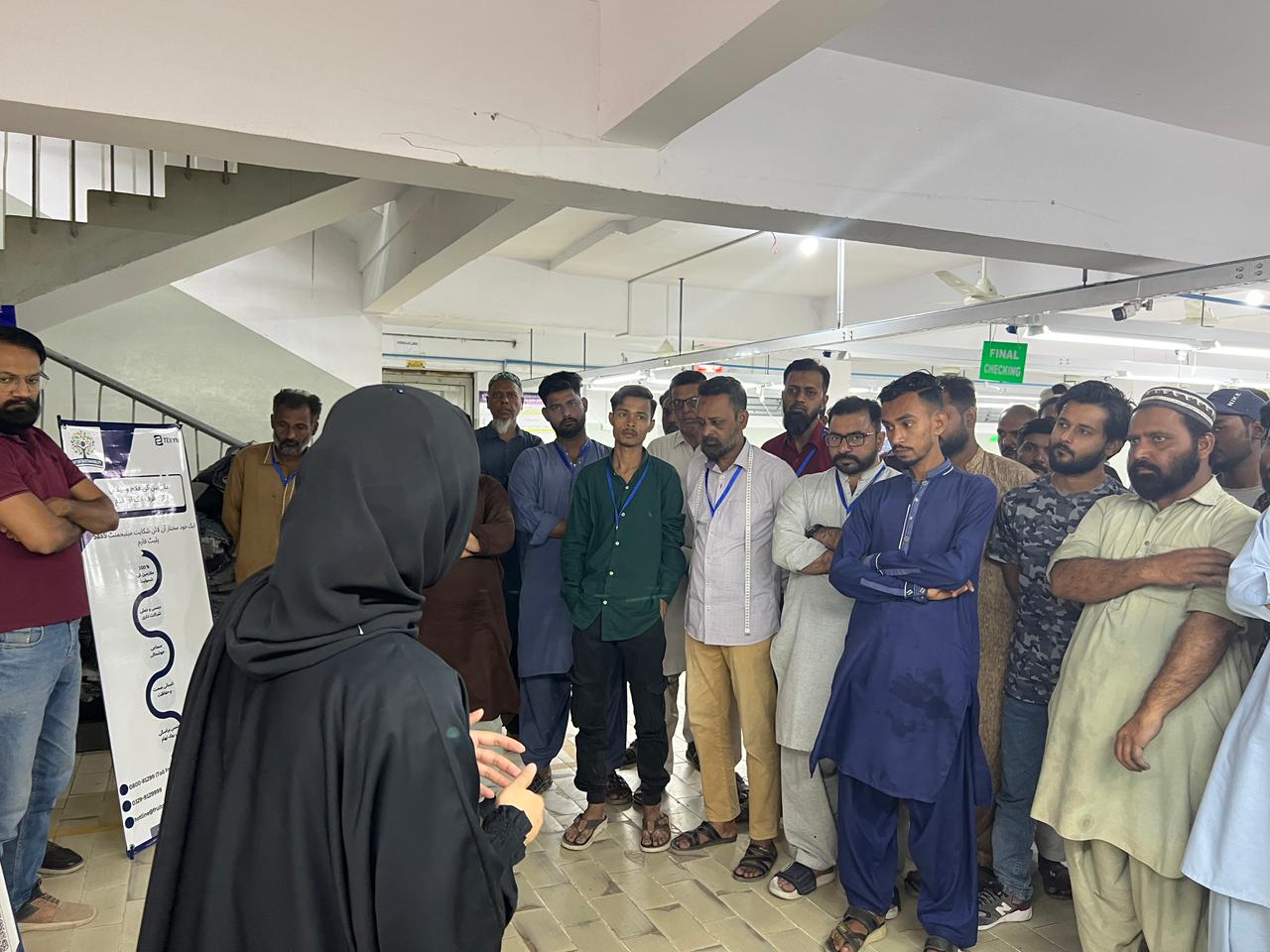
During this phase, an independent Digital Grievance Management System, developed and operated by Fruit of Sustainability (FOS) as a third-party platform, was deployed for all factory employees and workers. On-site factory visits were conducted to clearly explain the purpose and use of the system, emphasizing that the platform ensures confidentiality, impartiality and protection of workers’ identities. Workers were trained on multiple complaint-submission channels including Toll Free Call, SMS, WhatsApp, Email, Online Form and the Mobile App. The training also included briefing on transparent case-handling timelines, verification procedures and response mechanisms. In addition, surveys and feedback activities were carried out to assess workers’ understanding and to collect valuable inputs for the continuous improvement of the grievance management process.
Attachments